Kuwait Shampoo Private Label: A Case Study in Flexibility and Formulation?
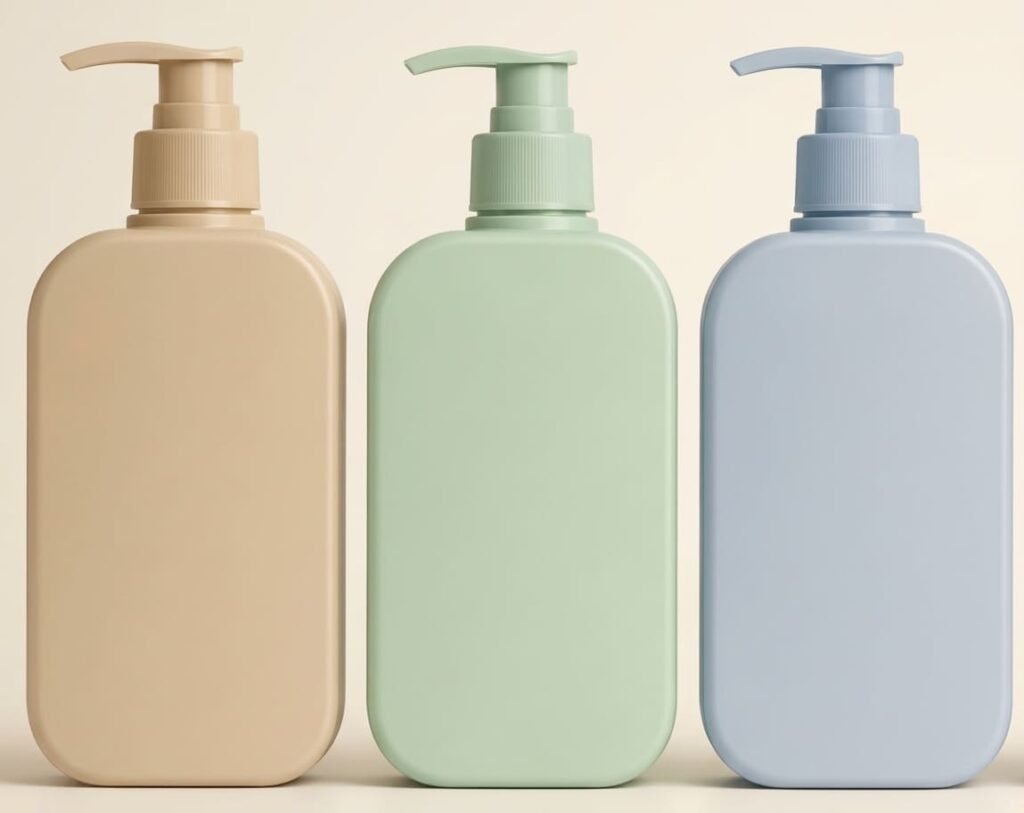
A startup brand from Kuwait partnered with us to produce a premium shampoo range featuring three fragrance variants. Using the client's existing packaging design and formula specifications, we provided OEM manufacturing services.
Client Country
Kuwait
Target Market
Middle East Market
Client Type
A startup brand Owner
Cooperation Model
OEM
Product Information
Product Name
A premium shampoo
Category
Main Benefits
A mild and fragrant shampoo designed for everyday use.
Key Ingredients
| Ingredient | Function |
|---|---|
| Cocamidopropyl Betaine | Mild anionic surfactant providing effective cleansing and a rich lather |
| Sodium Lauryl Sulfoacetate | Mild amphoteric surfactant that enhances foam and improves skin compatibility |
Project Overview
Pain Points
Initial order quantity of 2,000 units was below the standard packaging MOQ of 5,000 units. Three fragrance variants were required, but only fragrance descriptions were provided. The client had no freight forwarder or logistics partner in China. Premium product positioning needed to be achieved within a limited startup budget and order volume.
Project Needs
To develop a premium daily-use shampoo line with three fragrance variants, based on the client's formula reference, delivering gentle cleansing, long-lasting fragrance, and a luxury user experience while supporting a 2,000-unit market launch with complete OEM and door-to-door logistics services.
Project Result
Successfully delivered two rounds of customized samples and supported the client in finalizing the product for market launch.
Case Details
Launching a new shampoo brand internationally is a complex journey, filled with potential hurdles in manufacturing minimums, formula development, and cross-border logistics. Startups, in particular, often find their ambitious vision clashing with the high MOQs and technical demands of the industry, leading to frustration and costly delays. This case study of a Kuwait shampoo private label project reveals how a flexible, expert manufacturing partner can navigate these challenges, turning potential roadblocks into stepping stones for success.
A successful Kuwait shampoo private label project requires a manufacturing partner who offers creative solutions for low MOQs, such as using stock packaging with custom labels. It also depends on professional formula optimization to meet premium market standards and expert guidance through complex international shipping regulations and documentation to ensure a smooth launch.
This partnership was a journey of deep collaboration, technical problem-solving, and valuable lessons learned on both sides. Below, I’ll walk you through the entire process—from the initial request to the final outcome—to provide a transparent look at the realities of bringing a new personal care product to the global market.
How Do You Handle Low MOQs for a Startup Brand?
You have a brilliant concept for a new shampoo line with multiple scents and unique packaging, but your startup budget can't stretch to meet the standard 5,000-piece minimum order quantity (MOQ) per bottle design. Does this mean your dream is over before it even begins? Not at all. With a bit of creative problem-solving, a low-volume launch is entirely achievable.
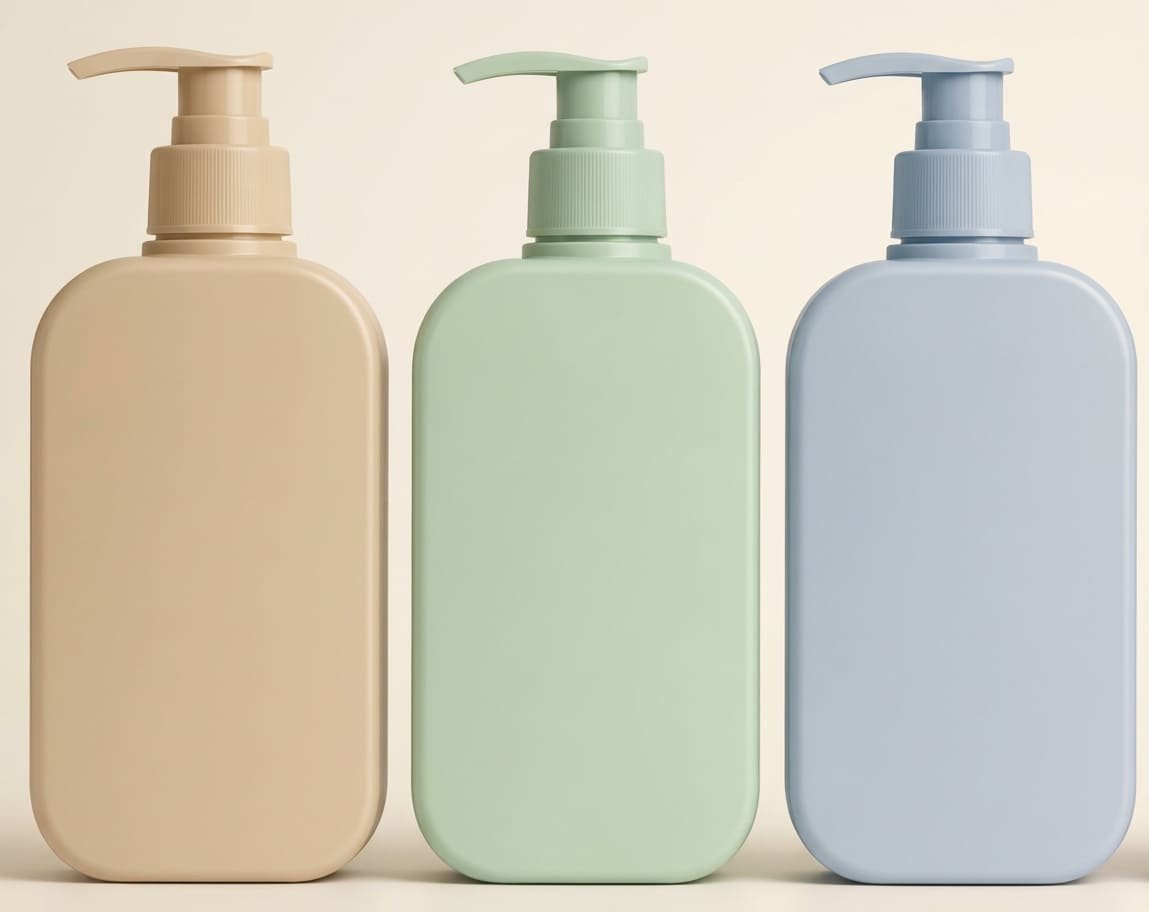
The most effective way to handle low MOQs is by separating the container from the branding. We utilize high-quality stock packaging and then differentiate the products with custom-designed, low-minimum labels. This strategy completely bypasses the high costs and daunting minimums associated with custom bottle molding and coloring.
Dive Deeper
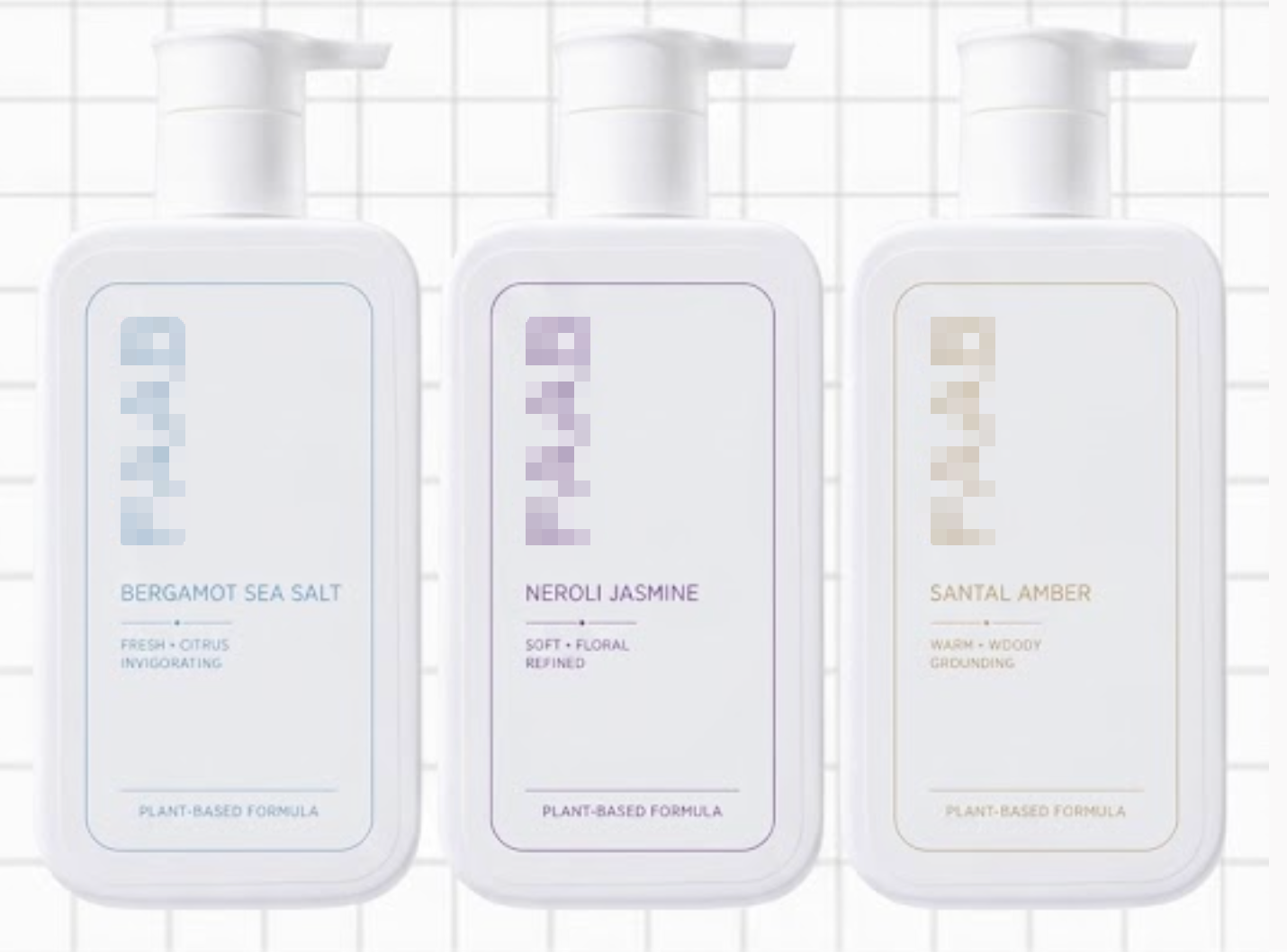
Our journey with this Kuwaiti client began with a request that is very common for startups: they wanted to launch a line of 2,000 shampoos, split across three different scents, each with its own unique packaging. Their design mockups were beautiful, featuring distinct, rich colors for each variant.
The immediate challenge was the packaging MOQ. For a factory to produce a custom-colored bottle, the machine setup and material waste dictate a minimum run, which is typically 5,000 to 10,000 units per color. For a 2,000-unit total order, commissioning three separate custom bottle colors was not financially viable for the client. It would have consumed their entire budget before we even filled a single bottle.
I remember looking at their designs and thinking, "How can we deliver this premium, multi-variant look without the prohibitive cost?" The solution was clear: we would use one of our existing, high-quality stock bottles—in this case, a sleek, minimalist white design. This provided a clean, consistent canvas for all three products.
The differentiation would come from the labels. Unlike bottle molding, printing high-quality, waterproof labels has a much lower barrier to entry. We only needed to meet a small minimum setup fee for the printer. This allowed the client to produce three completely different, full-color label designs without ordering thousands of extra bottles.
Here’s a simple breakdown of the two approaches:
| Feature | Custom Molded Bottles | Stock Bottles + Custom Labels |
|---|---|---|
| Minimum Order (MOQ) | 5,000 - 10,000 units per color | ~500 units per label design |
| Upfront Cost | High (mold fees, large material order) | Low (small label printing fee) |
| Flexibility | Low (locked into one bottle design/color) | High (easy to change label designs later) |
| Lead Time | Long (6-8 weeks for mold and production) | Short (2-3 weeks for labels and filling) |
| Ideal For | Established brands with proven sales | Startups, market tests, limited editions |
By proposing this hybrid solution, we kept the client's startup costs low, maintained their creative vision, and enabled them to launch a diverse product line with a modest initial order. It's a strategy I recommend to nearly every new brand I work with.
What's Involved in Optimizing a Client's Shampoo Formula?
A client sends you a list of ingredients and percentages, but it's clear the formula is more of a home recipe than a market-ready product. Simply manufacturing it as-is would likely result in a shampoo that underwhelms customers and fails to build brand loyalty. A true manufacturing partner doesn't just follow instructions; they collaborate to elevate the product.
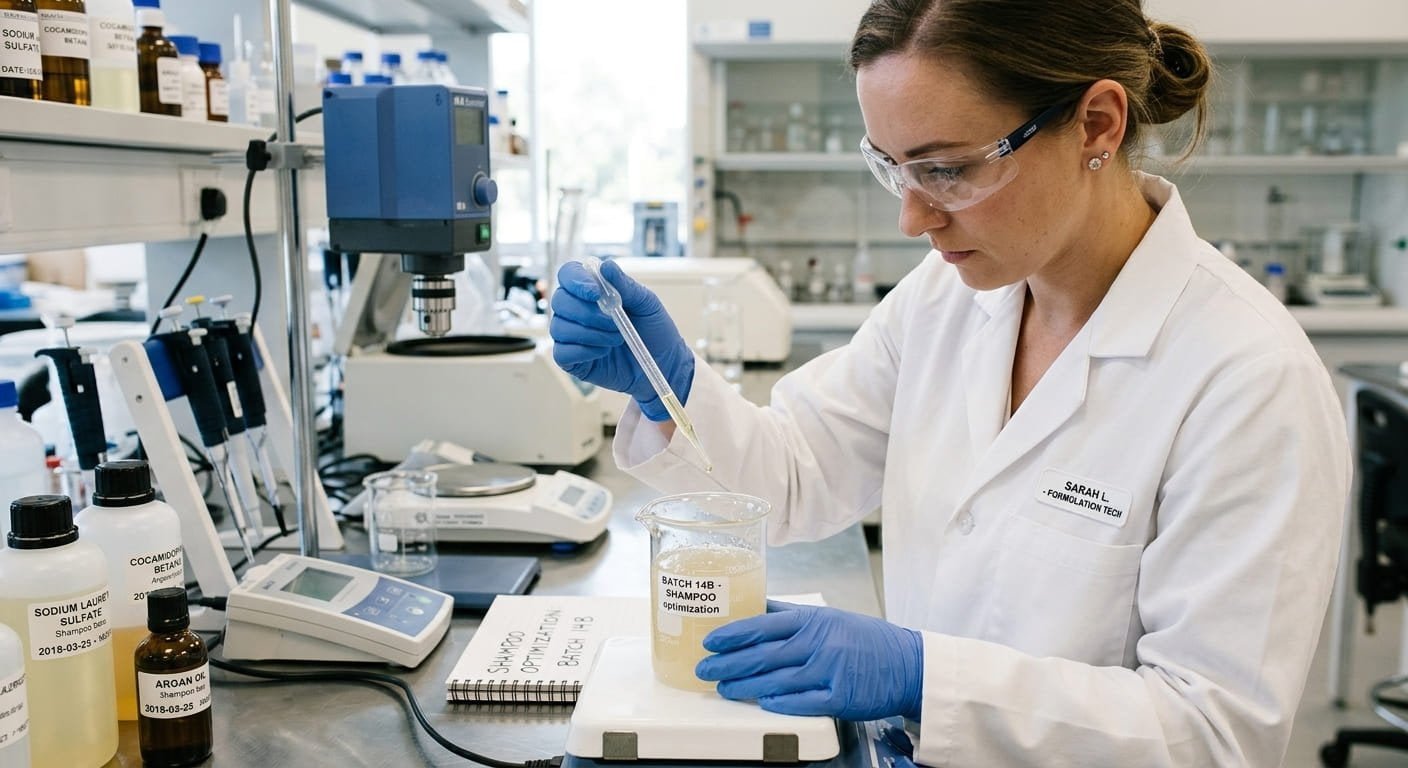
Optimizing a client's shampoo formula is a detailed R&D process. It begins by deconstructing their performance goals—like gentle cleansing, a soft hair feel, and a lasting premium scent. Our chemists then use their expertise to select, balance, and test surfactants, conditioning agents, fragrances, and thickeners to transform a basic concept into a luxury-feel product that performs flawlessly.
Dive Deeper
The client came to us with a simple formula, but their ambition was for a high-end product. They wanted a premium shampoo for daily hair care that would feel significantly more luxurious than a standard supermarket brand. Their specific goals were clear:
- Gently cleanses hair without stripping it or causing dryness.
- Leaves hair feeling soft, smooth, and fresh.
- Imparts a clean, premium scent that lingers subtly after showering.
- Feels rich and high-quality during use.
Our R&D team took these qualitative goals and translated them into a technical strategy. The client's initial formula was a starting point, but we knew it needed significant refinement to deliver that "premium" experience.
Engineering a Gentle, Effective Cleanse
The foundation of any great shampoo is its surfactant system (the cleaning agents). To avoid the dry, "squeaky" feeling of harsh shampoos, we moved away from basic sulfates. We formulated with a blend of milder, gentler surfactants derived from coconuts. This blend created a rich, creamy lather that effectively cleansed the scalp and hair of dirt and oil without stripping away essential moisture.
Creating Softness and a Premium Texture
To achieve the soft, smooth finish the client desired, we incorporated a precise combination of conditioning agents. This included lightweight silicones (which are excellent for providing slip and shine without buildup) and natural moisturizers. We also paid close attention to the rheology, or the flow and texture of the shampoo itself. By using specific thickeners, we adjusted the viscosity to give it that dense, honey-like consistency that consumers associate with a high-quality product.
The Art and Science of Scent Selection
Scent is a defining feature of a luxury personal care product. The client provided three distinct and sophisticated scent profiles:
- Santal: Warm, woody, and creamy with sandalwood and amber.
- Bergamot Sea Salt: Fresh, clean, and citrusy.
- Neroli Jasmine: Soft, floral, and elegant with orange blossom.
Matching a scent concept is a nuanced process. For each of the three profiles, our fragrance house partners curated three distinct options. This gave the client a spectrum to choose from. But we went a step further. We knew that a shampoo's base formula can subtly alter how a fragrance smells. So, for each of the nine scent options, we created samples in two different base formulas.
This meticulous approach resulted in 18 unique shampoo variations. We sent the client three small jars of each variation, totaling 54 individual samples in the first shipment. The samples themselves were free; we believe in proving our capabilities, and the client only covered the international shipping cost. This exhaustive sampling process ensured the client could test every possible combination and find the absolute perfect match for their vision.
What Are the Key Challenges in International Shipping for a Kuwait Shampoo Private Label?
You've finally perfected your product formula and packaging. Now comes the final boss: getting it from your factory to a warehouse in another country. International shipping is a notorious minefield of regulations, unexpected fees, and customs bureaucracies that can halt your project for weeks if you're not prepared.
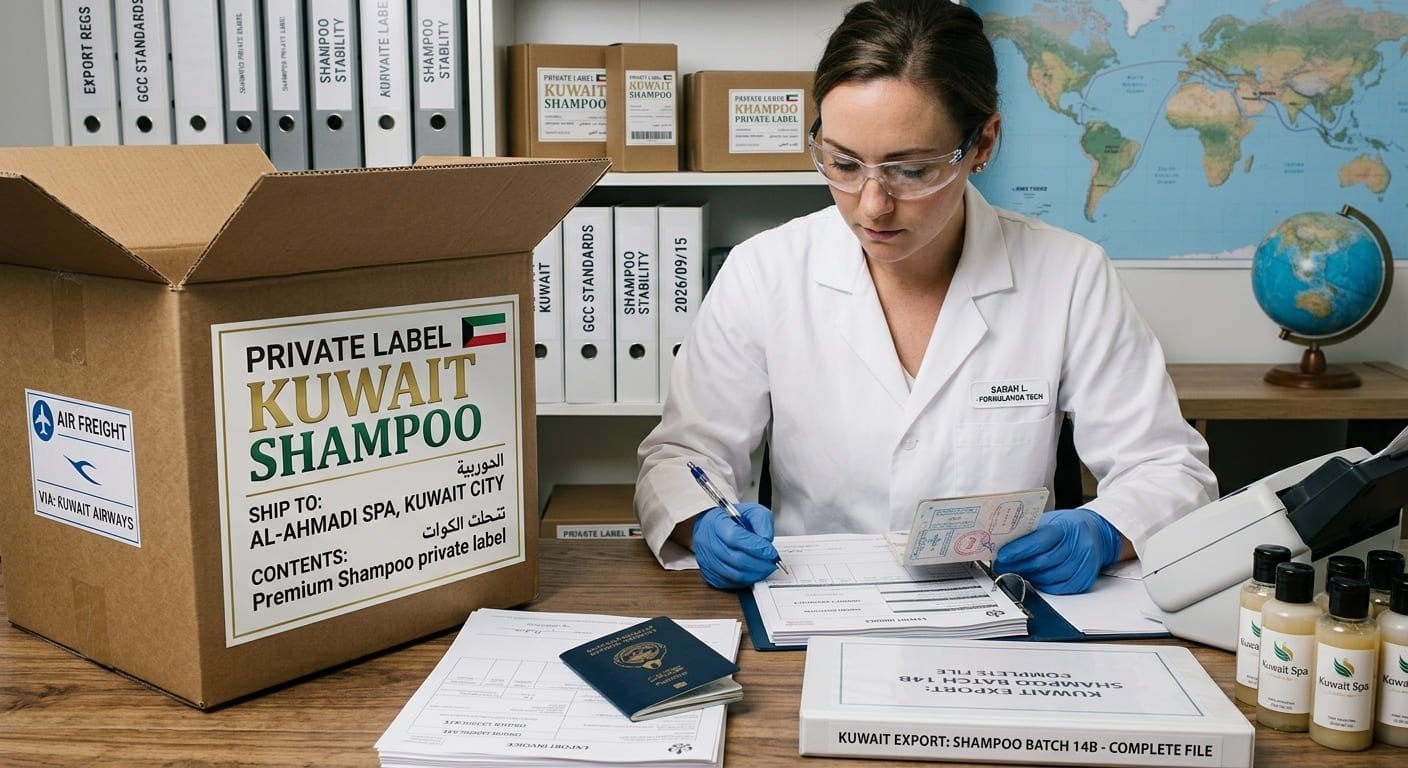
For a Kuwait shampoo private label project, the key shipping challenges include navigating international payment systems, complying with strict customs rules for liquid samples, and securing mandatory shipping documents like an MSDS and Ocean Transport Appraisal Report. These documents must be issued by accredited labs and formatted to meet both carrier and Kuwaiti customs standards to prevent seizure of goods.
Dive Deeper
This project provided a masterclass in the complexities of international logistics. We encountered and solved three distinct challenges that are critical for any brand to understand.
The Payment and Paperwork Hurdle
The first step was for the client to pay the shipping fee for the samples. A simple bank-to-bank wire transfer, which is usually straightforward, failed multiple times due to issues between the international banking systems. This delayed the project by over a week. We had to quickly find an alternative. The client ultimately succeeded by using a third-party payment service, Remitly, which was able to process the transaction smoothly. It was a reminder that even the simplest financial steps can become complicated across borders.
A Painful Lesson in Sample Packaging
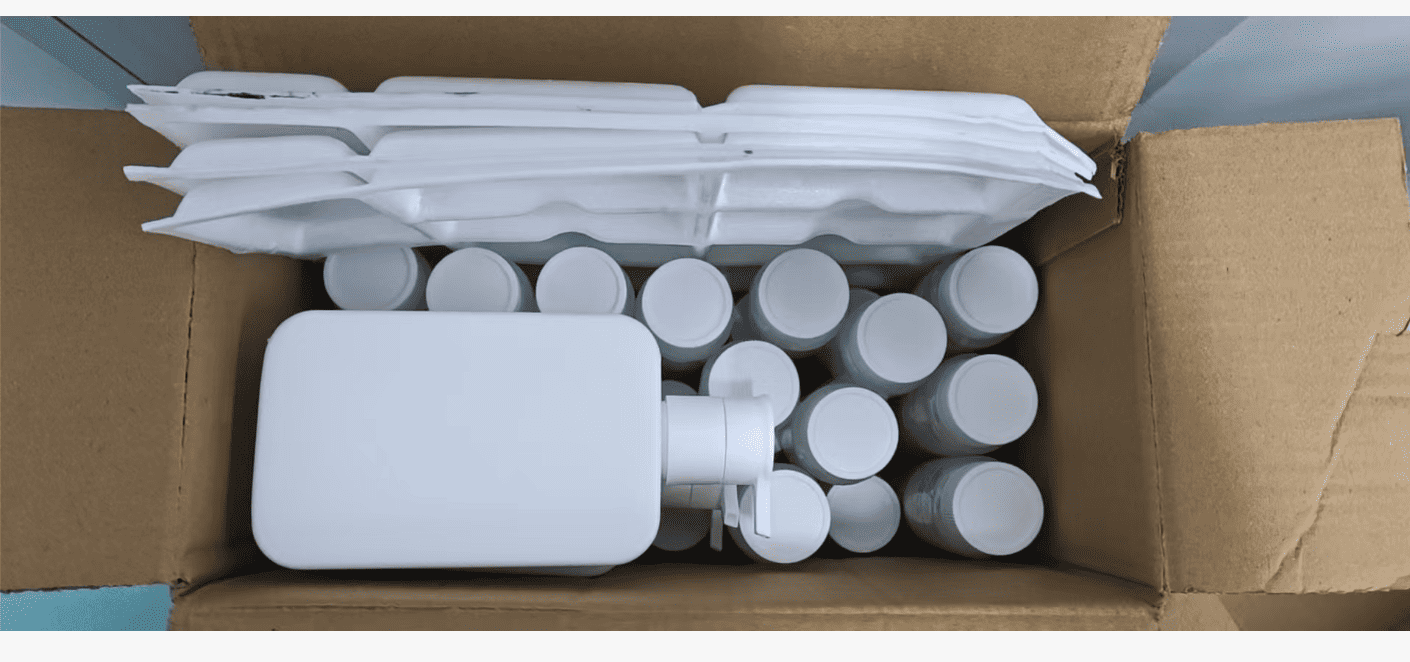
Here, I have to admit a mistake that taught me an invaluable lesson. In my haste to get the 54 samples out to the client, I packaged them in clean, simple, unbranded lab jars. The shipment was dispatched via air freight, but a week later, it was returned to my factory.
The reason? Kuwaiti customs rejected the package. Their regulations state that all liquids, even non-hazardous samples, must be contained in commercial-style packaging. Plain, unlabeled jars were deemed unacceptable and potentially hazardous. It was a frustrating setback. We had to unpack all 54 jars, transfer the shampoo into properly labeled, commercially presentable bottles, and reship the entire package. It cost us time and money, but the lesson was permanent: always check and comply with the destination country's specific import rules, even for samples.
Preparing for Sea Freight and Mass Production
While samples travel by air, the final 2,000-unit order would travel by sea freight, which has its own, even stricter set of rules. To ship cosmetics via ocean cargo, we need several critical documents:
- Material Safety Data Sheet (MSDS): This details the chemical properties and handling procedures for the product.
- Appraisal Report for Ocean Transport of Goods: This is a formal declaration that the goods are safe for sea transport.
Critically, these reports can't come from just anywhere. They must be issued by a certified third-party testing agency with CNAS/CMA accreditation. Furthermore, the format of these documents has to comply with the standards of both the international shipping line and Kuwaiti customs. Using a non-accredited lab or the wrong format means the shipping company will refuse the cargo, or worse, Kuwaiti customs will seize and destroy it upon arrival. We made sure to inform the client about these requirements and the associated costs early on, ensuring there would be no surprises when it was time to ship the final order.
How Should You Handle Detailed Client Feedback on a Kuwait Shampoo Private Label Project?
Your client returns with pages of notes, scores, and very specific requests for changes. It can be tempting to view this level of scrutiny as a difficult hurdle. However, this is not a problem; it's a golden opportunity to prove your commitment to quality and collaboration.
Handling detailed client feedback on a Kuwait shampoo private label project means embracing it as a crucial part of the refinement process. We treat it as a road map for improvement, analyzing their scores and comments to perform targeted R&D. This involves adjusting variables like fragrance concentration or product viscosity and then providing a second, more refined round of samples for final approval.
Dive Deeper
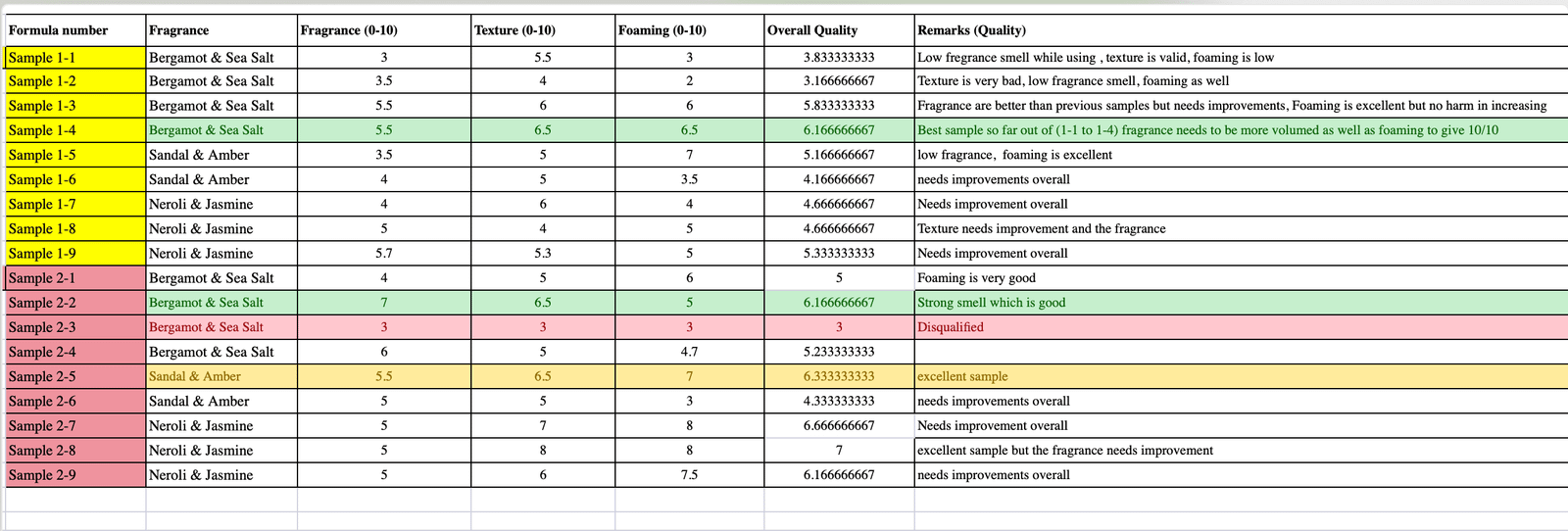
I was incredibly impressed with the diligence of our Kuwaiti client. After receiving the initial 54 samples, they didn't just give a simple "yes" or "no." They conducted a thorough internal trial, complete with a detailed scoring system that rated each sample on scent accuracy, lather quality, after-feel, and overall experience. This level of engagement is exactly what we hope for in a partner. It shows they are as serious about quality as we are.
From their comprehensive evaluation, they selected two standout favorites. However, they felt the products weren't quite perfect yet. Their feedback was precise:
- Scent Optimization: For one sample, they wanted the fragrance to be slightly stronger and more lasting.
- Viscosity Adjustment: For the other, they wanted the shampoo to be a bit thicker to enhance the luxurious feel during application.
This was exactly the kind of actionable feedback our R&D team thrives on. We didn't see it as a complaint; we saw it as the final set of coordinates to reach their perfect product.
We immediately went back to the lab.
- For the scent, we adjusted the fragrance oil percentage in the formula, increasing it just enough to boost its presence without making it overpowering.
- For the viscosity, our chemists tweaked the concentration of the rheology modifier to achieve the desired thicker, richer texture.
To ensure they could fully appreciate these changes, we prepared a second batch of samples based on their refined requests. This time, we sent 15 small jars of each of the two optimized variants. We wanted them to have more than enough product to test thoroughly and confirm that we had nailed their vision.
Unfortunately, after this second round, the project took an unexpected turn. After receiving the new samples, the client's feedback became very general. They simply stated that the samples "did not meet their requirements," without providing the specific, detailed analysis they had before. After such a collaborative and detailed process, this vague conclusion was surprising and left us wondering about the true reason the project stalled.
Frequently Asked Questions
How much does private label shampoo cost?
The cost of private label shampoo varies significantly based on formula complexity, packaging choices, and order volume. A complex formula with rare ingredients will cost more than a simple one. Custom-molded bottles are more expensive than stock bottles, and larger orders (e.g., 10,000+ units) will always have a lower per-unit price than a small run of 2,000 units.
What is the minimum order quantity (MOQ) for private label shampoo?
Standard MOQs are often high, especially for packaging. A custom-colored bottle can require a 5,000-10,000 unit minimum. However, as shown in this case study, we can accommodate much lower MOQs (under 2,000 units) by using stock bottles and differentiating them with custom-printed labels, which have a much lower minimum.
Can you create a custom shampoo formula for my brand?
Yes, absolutely. Our core strength is our R&D capability. We can work with you to create a completely unique formula from scratch based on your target audience, desired performance, and key ingredients. The process is highly collaborative, involving multiple rounds of sampling and feedback to ensure the final product is perfect.
Do you help with international shipping and logistics?
Yes, we guide our clients through the entire international shipping process. This includes advising on the necessary documentation, such as the MSDS and transport appraisal reports, and ensuring all paperwork is sourced from accredited institutions to meet the strict requirements of both shipping carriers and customs authorities in your target country.
Conclusion
This Kuwait shampoo private label case study is a powerful illustration of the realities of product development. It underscores the importance of a manufacturer's flexibility in finding cost-effective solutions for startups, like using stock packaging to overcome high MOQs. It showcases the deep, collaborative R&D process required to transform a simple idea into a premium, market-ready product. And finally, it highlights the invaluable expertise needed to navigate the complex web of international logistics.
Ultimately, we can't control a client's final decision. Factors like final price, project timelines, or a change in business strategy are always at play in these long-distance collaborations. While this project didn't proceed to mass production, we stand by the process. Our role is to provide transparent expertise, world-class service, and exceptional product quality at a fair price. We build our reputation not just on the deals we win, but on the integrity and professionalism we bring to every single project, earning our keep through our formulation and manufacturing mastery.
If you're looking to launch your own personal care brand and need a manufacturing partner who can navigate these challenges with you, contact us today. Let's discuss how we can bring your vision to life.
